If you’ve noticed frustrating dark patches or spots on your skin, you are not alone. Hyperpigmentation is a common skin concern, but there are a variety of causes that require different treatments, so it’s important to understand the differences between general hyperpigmentation, melasma, and sunspots to find the best options for your skin. We’ll break down the differences between types of discoloration, what causes it, and help you develop a care plan to keep it at bay, so you feel confident and have radiant, healthy skin.
Melasma is a common skin disorder that occurs in all skin tones. It usually appears as flat, brownish patches on areas that receive the most sun exposure, including the face, cheeks, upper lip, forehead, forearms, and even the back. Exactly what is melasma? It’s essentially the overproduction of melanin in the skin, similar to other types of hyperpigmentation, but with different root causes1.
Melasma causes vary from person to person, but it’s usually a combination of sun exposure, skin type, and hormones. Though men can get it, 90% of cases occur in women. Hormonal changes during pregnancy, including the use of oral contraceptives and the fluctuations associated with perimenopause and menopause, are common causes of melasma2.
Because of naturally higher melanin, those with medium or darker skin tones are also more likely to develop melasma3.
Melasma can also be linked to skin irritation, genetics, medical conditions like thyroid disease, and certain medications used for blood pressure or seizures.
A hallmark of melasma is its symmetrical appearance as brown or brownish-gray patches on the face, particularly across the bridge of the nose and the cheeks, sometimes referred to as “the pregnancy mask.” It can also appear in other areas that are frequently exposed to the sun without protection, including the neck, hands, forearms, and chest.
If you have dark splotches on your skin, how do you tell the difference between melasma vs. sunspots and melasma vs. hyperpigmentation? Both melasma and sunspots are types of hyperpigmentation, but with different causes. Hyperpigmentation is the umbrella term. Sunspots tend to be smaller, less uniform, and more common with increased sun exposure and age.
While melasma is closely tied to hormones and skin type, sunspots and other forms of hyperpigmentation are not, so consult a medical professional to determine the underlying cause, as treatments may differ4.
The best treatment for melasma on the face depends on your skin type and tone. Not every treatment is right for everyone. Topical treatments are used first to target facial melasma, but it’s essential to consult professionals before you seek treatment5.
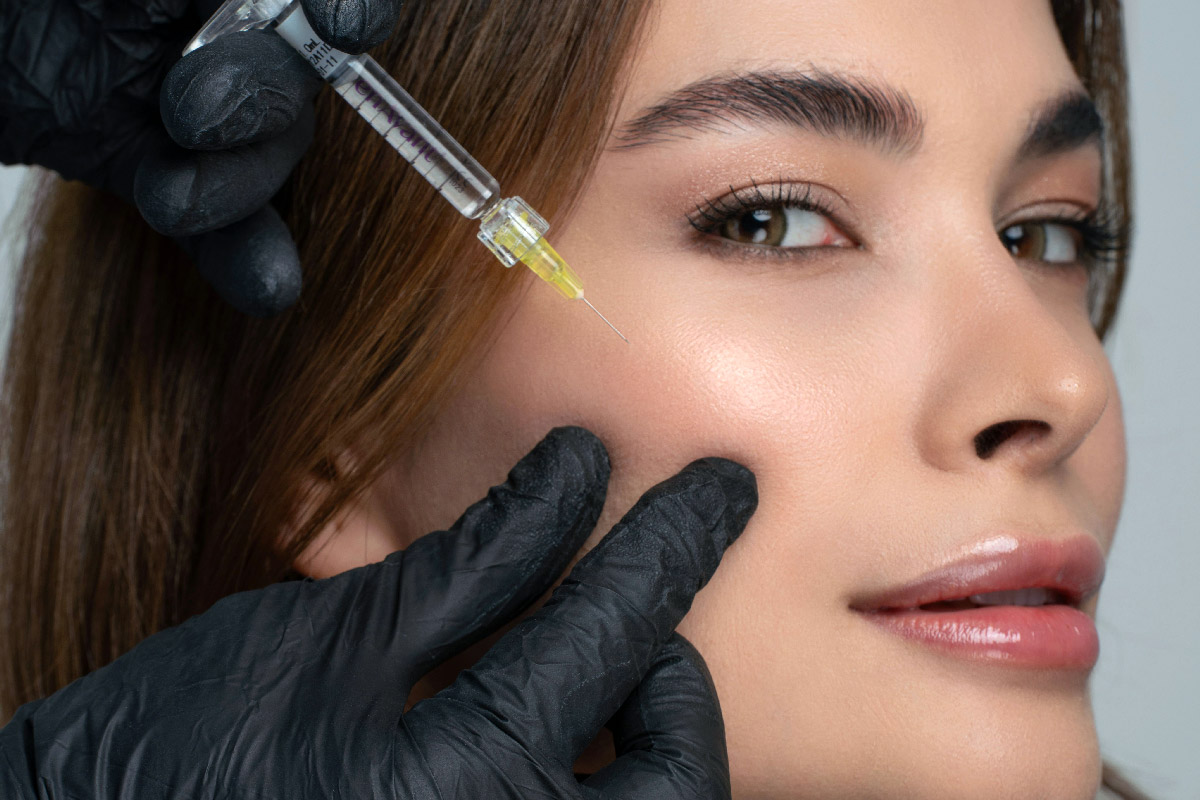
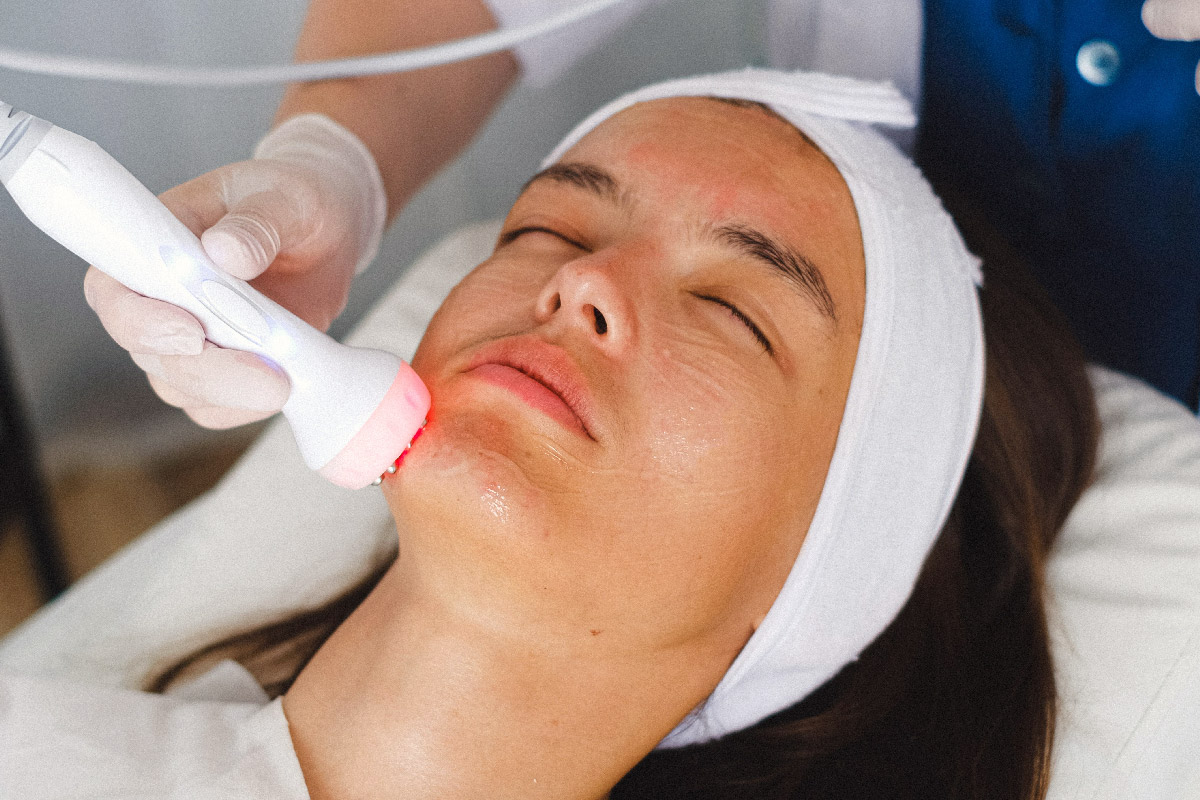
Your first visit to Beam MedSpa will consist of a thorough evaluation of your skin to create an individualized care plan that may include laser sessions, brightening skin boosters—like Rejuran® Tone-Up booster—or a combination of both.
While there’s no guarantee melasma won’t return since it’s considered a chronic condition, there are ways to reduce the chances of those stubborn brown patches from reappearing. A self-care routine that includes vigilant sun protection with a broad-spectrum sunscreen with a minimum of SPF 30 and iron oxides, wide-brimmed hats, a diet rich in vitamin D, and gentle skincare products will go a long way toward keeping melasma at bay6.
Melasma, dark spots, and uneven skin tone can be frustrating to treat. And while hyperpigmentation is not physically harmful, it can do some serious damage to your self-esteem. Beam MedSpa knows that treating melasma and other forms of hyperpigmentation too aggressively can make these issues worse.
Our licensed medical professionals will build a specialized melasma treatment plan with a thorough initial evaluation of your skin. Schedule your one-on-one consultation with us today for brighter skin that lasts.
It can go away on its own, particularly if it’s caused by pregnancy. However, it is a chronic condition that may return with hormonal fluctuations or increased sun exposure, and it also depends on how deep the pigment is in your skin.
Since it’s caused by a combination of factors including hormones, skin type and tone, and sun exposure, melasma is considered a chronic condition. It may not be permanently removed, but it can be managed with the right combination of skin treatments and preventative measures.
Not all melasma treatments are right for darker skin tones. At Beam, licensed medical professionals customize every plan to your skin type, and when laser treatments aren't the safest route, booster-based brightening offers an alternative.
Every face and body is different. Your provider will create a customized treatment plan at your initial consultation. You can expect improvement in your skin’s appearance after a series of treatments rather than in a single visit.
Yes, sunscreen is an important aspect of a comprehensive treatment plan for melasma. In addition to hormones and skin type and tone, ultraviolet rays and visible light are primary causes of its formation. Applying sunscreen daily won’t lighten existing dark patches, but it will prevent them from worsening and help minimize recurrences.
Sources: